Loading...

From sand dunes to sanctuary: San Francisco's magnificent backyard.
In the mid-19th century, the area now known as Golden Gate Park was nothing but the "Outside Lands"—a vast, inhospitable expanse of windswept sand dunes. Critics said nothing could grow there.
William Hammond Hall and later the legendary Scotsman John McLaren proved them wrong. They planted dune grass and lupine to hold the sand in place, followed by thousands of trees. McLaren, who lived in the park until he died at age 96, famously hated statues, often planting thick bushes to hide them shortly after they were erected.
Today, the park is a masterpiece of landscape architecture, featuring lakes, meadows, waterfalls, and world-class museums.
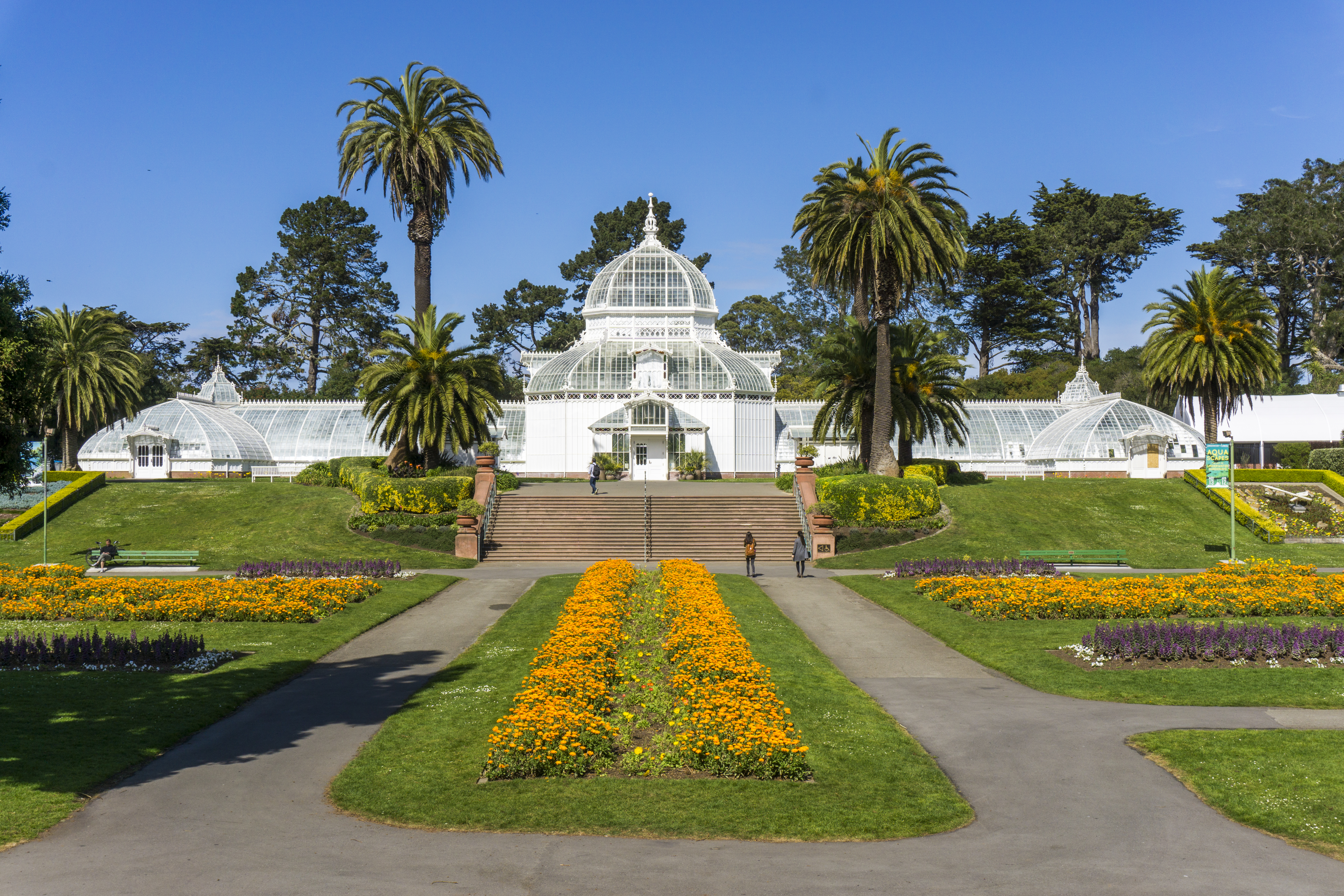
The Conservatory of Flowers (1879) is the oldest building in the park.
Navigating the third most-visited park in the United States.
JFK Drive is permanently closed to cars, creating a massive promenade.
Public transit is the best way to arrive due to limited parking.
The park is open from 5am to midnight daily.
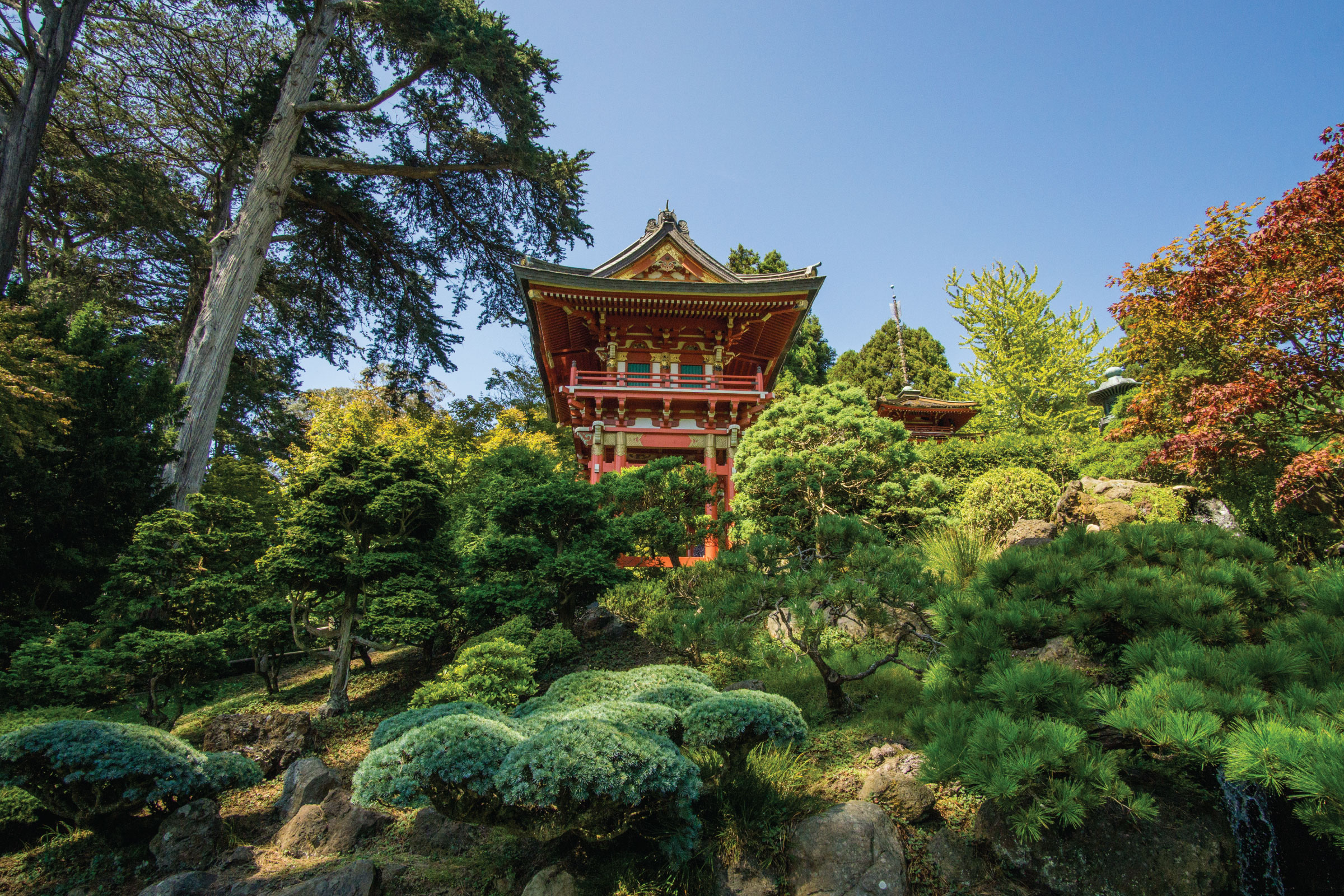
The oldest public Japanese garden in the US. Features an arched drum bridge, pagodas, and a tea house.
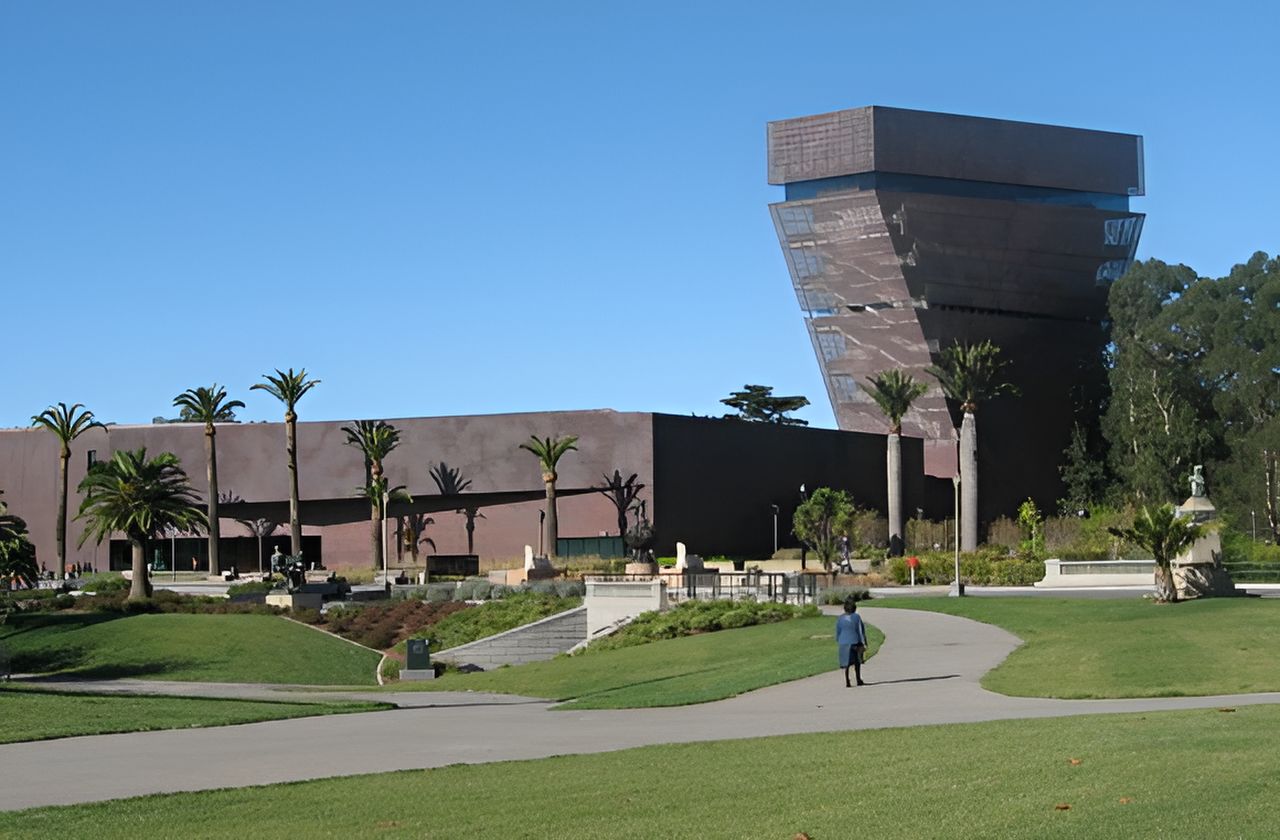
A landmark fine arts museum known for its twisting copper facade and the Hamon Observation Tower, which offers free panoramic views.
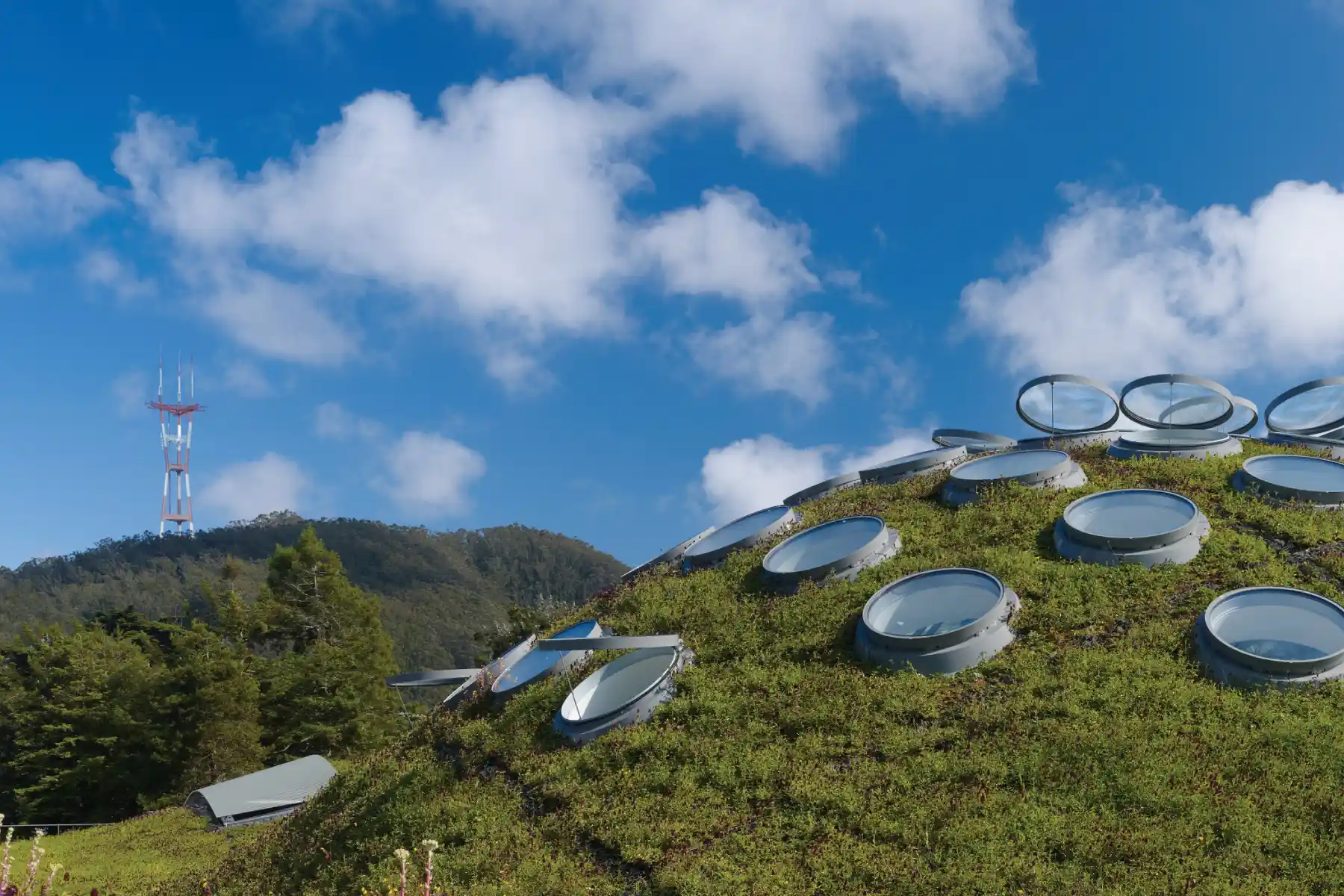
A world-class aquarium, planetarium, and natural history museum all under one living roof. It's one of the greenest museums in the world.
Frequently asked questions and hidden history.